Limited Offer
Get 50% OFF on Annual Plans

Banana Pro AI · Video studio

AI Video Generator

An AI video generator turns your text or image into a moving clip. Choose a mode, check credits, and create your video.

0 / 7,000
6s
4 seconds15 seconds
Account required138 credits · 23 credits/sec
PreviewReady

Your video will appear here

Start with one clear scene. Motion, camera direction, pacing, and sound cues help the generator interpret your intent.

4–15 seconds · 6 aspect ratios · 768P or 2K
Open My Creations

4–15 seconds · 768P or 2K · Credits shown before generation · Track ongoing videos in My Creations

Choose how your AI video generator starts

Start with what you already have. Text to Video builds a new scene from a written description. Image to Video starts from a picture you upload, then uses your motion prompt to guide what happens next. Both create short clips you can review, download, and bring into your own editing workflow. This page helps you choose between them before you spend credits.

Have an idea? Start with text.

Describe a subject, a setting, one main action, and a camera move. This is a useful starting point for original establishing shots, concept scenes, and visual experiments when you do not need a specific source photograph. Use the Text to Video AI guide for more detailed prompt examples.

Have a picture? Start with an image.

Upload an image you are permitted to use, then describe its movement. This gives the scene a visual starting point: a product photograph, illustration, or landscape. A reference is guidance, not a promise that every detail will stay unchanged. The Image to Video AI guide explains source frames and motion prompts in depth.

From a starting point to a downloadable clip

  1. Choose your input. Select Text to Video or Image to Video above. Sign in when you are ready to generate; image uploads require your signed-in account. Switching modes keeps the inputs you have entered in each panel during your visit.
  2. Direct one clear shot. Write the scene for text mode, or the desired movement for image mode. Give camera motion a direction and pace. Avoid packing a complete advertisement, several locations, and multiple scene changes into one short clip.
  3. Set the output and review credits. Choose 4 to 15 seconds and 768P or 2K. In text mode, also choose the aspect ratio. The generation button shows the total credits for your current settings before you submit.
  4. Review, then download. A submitted video moves through queued and processing states. When it succeeds, play the result and use Download. Check the whole clip before publishing, including details that can change between the opening and closing frames.

Use My Creations to follow submitted work. Closing the page does not cancel a video. If checking progress pauses, resume checking the existing task instead of starting the same request again. A deliberate new generation is a separate paid attempt.

Two creative briefs to try

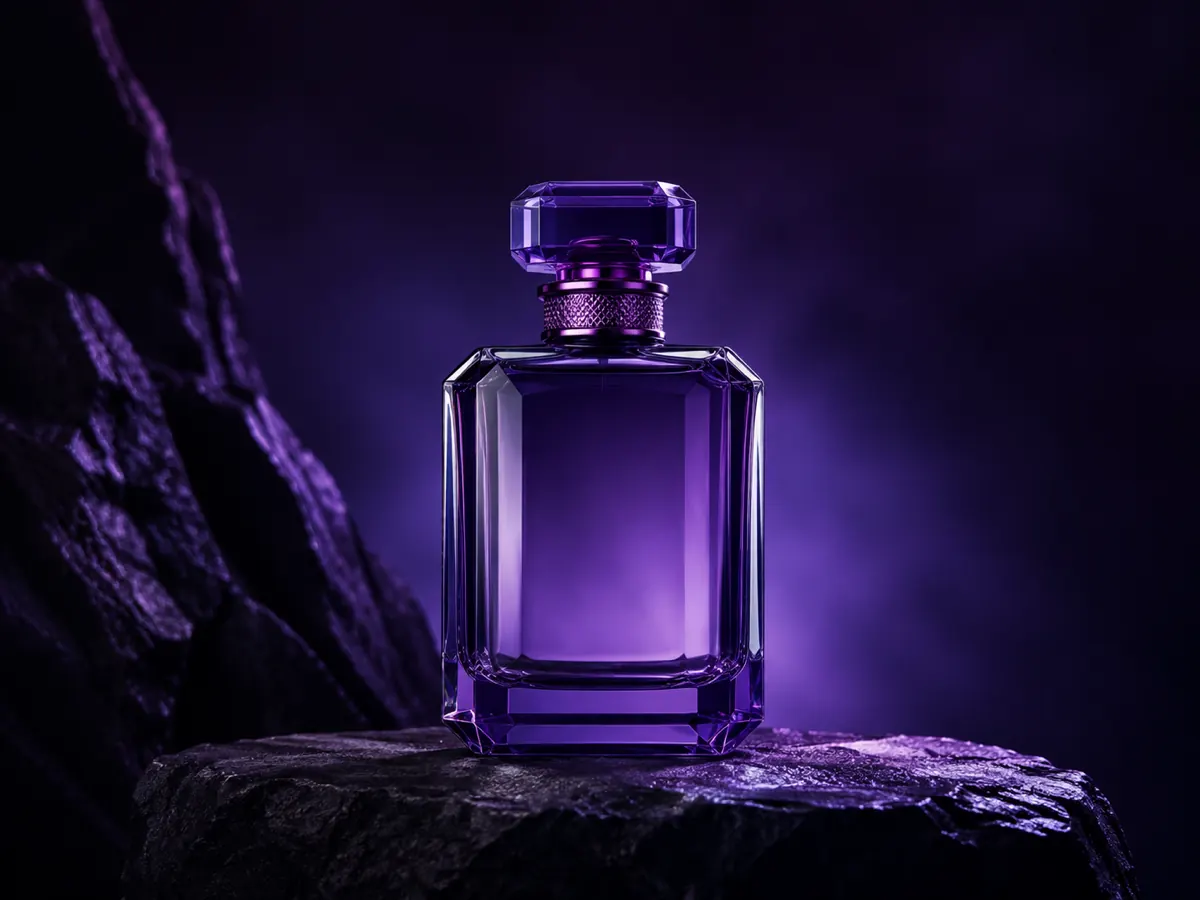
These original reference images illustrate two ways to plan a shot. They are AI-generated concept images, not screenshots of completed video output. The prompts below are editable starting points; review your actual generated result before using it in a campaign.

Original violet glass fragrance bottle on dark stone, prepared as an image-to-video reference

Animate a product photograph

Image to Video · 6 seconds · 768P · 138 credits

Upload the reference image and try: “A slow, gentle push toward the violet glass bottle on black stone. A narrow reflection travels across the glass. Keep the camera level and the background still. No cuts or added lettering.”

Download this reference image

Review the bottle edges, cap, and reflections. If an important brand detail drifts, reduce the motion or use conventional editing for the final commercial shot.

Original cinematic coastal lighthouse concept at dawn, illustrating a text-to-video scene brief

Explore a scene from words

Text to Video · 6 seconds · 16:9 · 768P · 138 credits

Try: “A wide cinematic view of a white lighthouse on a rocky coastline at dawn. Small waves roll toward the rocks. A slow forward camera move, warm light, pale sea mist, one continuous shot, no people or text.”

Text mode does not use this illustration as an input. Expect a newly generated interpretation. Check the horizon, water movement, and camera continuity when deciding whether the output fits your brief.

Settings, inputs, and practical limits

The generator offers one configured generation workflow in each input mode. There is no extra model decision to make in this composer. For model-specific workflows, visit the video model detail page or browse all models; their controls and prices may differ.

Supported settings by input mode
SettingText to VideoImage to Video
InputRequired written promptRequired start image and motion prompt; optional end image
Length4–15 seconds, whole seconds4–15 seconds, whole seconds
Resolution768P or 2K768P or 2K
Framing21:9, 16:9, 4:3, 1:1, 3:4, 9:16Follows the source image; no separate ratio control
UploadNo image neededJPG, PNG, WebP; up to 20 MB per image
Prompt limit7,000 characters7,000 characters

Choose a clear source with a readable subject and enough space for the intended motion. Very small text, complex hands, fast camera moves, and precise product geometry need careful review. We do not promise exact identity preservation, lip synchronization, or physically accurate motion. There is no separate audio switch in this workflow; inspect any sound in the finished clip. Generated output is not a substitute for factual or rights review.

If you already have footage and only need more resolution, use the video upscaler. Generating a scene and enlarging an existing clip solve different problems. For longer edits, assemble reviewed clips in your preferred editor rather than expecting one request to deliver an entire production.

Banana Pro AI vs Pollo AI vs OpenArt

Choose by the workflow you need, not by a universal “best” label. This comparison covers the entry points and controls reviewed on September 5, 2026; it is not a benchmark of output quality or generation speed.

Banana Pro AI: a focused two-mode starting point

Choose this page when you want to decide between a written idea and a source image, see the credits before generation, and track the result in the same account as your other Banana Pro AI creations. The composer keeps a small set of duration and resolution choices. Use dedicated model pages when you want to explore beyond that workflow.

Pollo AI: broader model and app selection

Pollo AI’s video generator offers image and text entry modes and links into a wider collection of video models and apps. Its dedicated text generator exposes model-dependent controls such as ratio, duration, resolution, and advanced options. It may fit users who want to compare many model workflows; check the selected model’s current settings and credit cost.

OpenArt: a wider creative suite

OpenArt’s cinematic video page links into its creation studio and describes storyboard, character, and editing workflows alongside generation. Consider it when those surrounding production tools matter to your project. Studio access led to a sign-in flow during this review; those authenticated features were not independently tested here.

Credits, retries, and rights

Both modes use 23 credits per second at 768P and 37 credits per second at 2K. A six-second video therefore costs 138 or 222 credits respectively. Check current plans and credit packages for your account. The estimate changes with your settings; submitting a new creative attempt uses credits again.

A confirmed failed task follows the site’s credit-return mechanism. An interrupted connection or a paused progress check does not prove that generation failed, so keep the existing task and check My Creations. This workflow does not offer a reliable cancel-and-refund action for an already submitted video. Do not submit a second request merely because the first one is still processing.

Use only prompts and source media you have permission to use, including any brand, likeness, or copyrighted material. Content review applies to uploads and generation. Before commercial use, inspect your output and check the permissions relevant to your project and jurisdiction. A generation credit purchase does not establish rights to someone else’s material. See our terms and privacy policy.

Frequently asked questions

Can I start without an image?

Yes. Select Text to Video and describe your scene. Image to Video requires a start frame as well as a motion prompt.

Which mode is better for a product ad?

Start with Image to Video if you have a permitted product image whose appearance matters. Start with text for early concept exploration. Review geometry and any branding before approving either output for an advertisement.

Will changing modes cancel my video?

No. Each mode keeps its own inputs and submitted task during the visit. Switching panels does not cancel generation. My Creations remains the place to follow work you have already submitted.

Why is my video still processing?

Video generation is asynchronous and completion time varies. The page reports the task state rather than an invented completion percentage. If progress checking pauses, resume the same task or check My Creations.

Can I generate a full-length video here?

Each request creates a short clip of 4–15 seconds. Plan longer content as separate shots, review each result, and edit the chosen clips together.

Can I get identical results from the same prompt?

Outputs may vary between generations. Save the exact prompt, input image, and settings for your own review, but do not assume that repeating them guarantees an identical clip.

Start with one clear shot

Bring an idea or a reference image. Choose the mode that fits it.

Create your video